 Business License

Top 5 Causes of Centrifugal Pump Vibration and How to Fix Them
Excessive pump vibration is an early warning sign of catastrophic failure. The top 5 causes are shaft misalignment, impeller imbalance, cavitation, bearing wear, and bent shafts. To fix vibration quickly, engineers should first check the pump shaft alignment using a laser tool, ensure the NPSHa is sufficient to prevent cavitation, and inspect the impeller for accumulated debris or wear.
When a horizontal centrifugal pump begins to vibrate beyond its acceptable limits (typically measured in inches per second or mm/s), it will rapidly destroy mechanical seals and bearings. Addressing vibration early saves thousands of dollars in unplanned downtime. Here is our expert diagnostic guide.
1.Shaft Misalignment (The #1 Culprit)
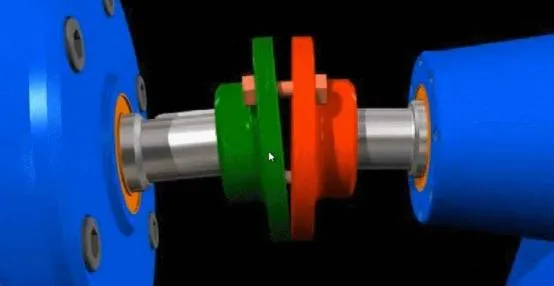
If the motor shaft and pump shaft are not perfectly aligned, the coupling will bind, causing a distinct radial vibration.
● The Fix: Never rely on a straightedge. Use a precision laser alignment tool to correct both vertical and horizontal offset. Always re-check alignment after the pump reaches its standard operating temperature due to thermal expansion.
2. Impeller Imbalance
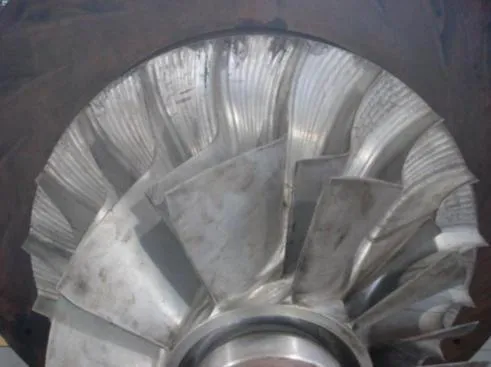
Impellers can become unbalanced for two reasons: manufacturing defects or operational wear. In wastewater applications, rags or solid debris can stick to one side of the impeller, causing a massive weight imbalance.
● The Fix: Open the casing and physically clean the impeller. If pumping abrasive fluids, check for uneven erosion and replace the impeller if necessary.
3. Pump Cavitation
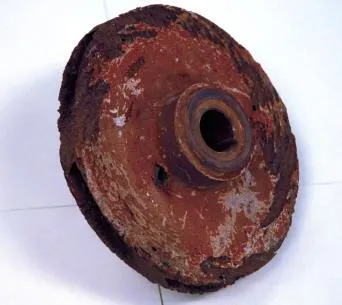
If the vibration sounds like rocks passing through the casing, you are experiencing cavitation. This happens when the suction pressure drops too low, causing the fluid to boil and collapse violently.
● The Fix: Clean the suction strainer, increase the fluid level in the supply tank, or reduce the fluid temperature to lower its vapor pressure.
4. Bearing Wear and Failure
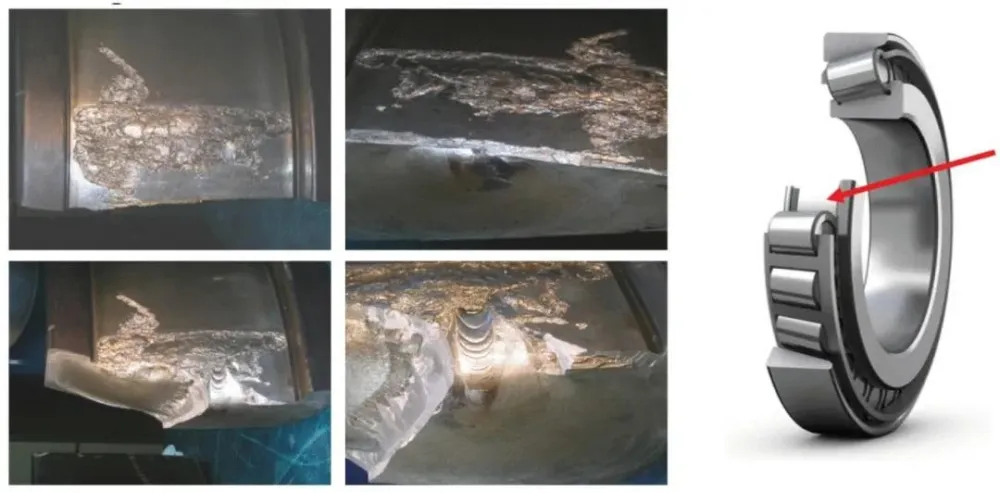
Worn bearings will produce high-frequency vibrations and a distinct whining noise. This is usually a secondary failure caused by misalignment or poor lubrication.
● The Fix: Drain the bearing housing, check for water contamination (which destroys the oil's viscosity), and replace the bearings and lip seals immediately.
5. Pipe Strain
If the suction or discharge piping is not properly supported, the heavy pipes will rest their weight directly on the pump casing, twisting it out of alignment.
● The Fix: Ensure all industrial pump maintenance protocols include checking pipe hangers and expansion joints. The pump flange should never bear the weight of the piping system.
Recently Posted
-
Single-Stage vs. Multi-Stage Centrifugal Pumps: Which Do You Need?
May 9, 2026The primary difference lies in the number of impellers and the generated pressure. A single-stage centrifugal pump uses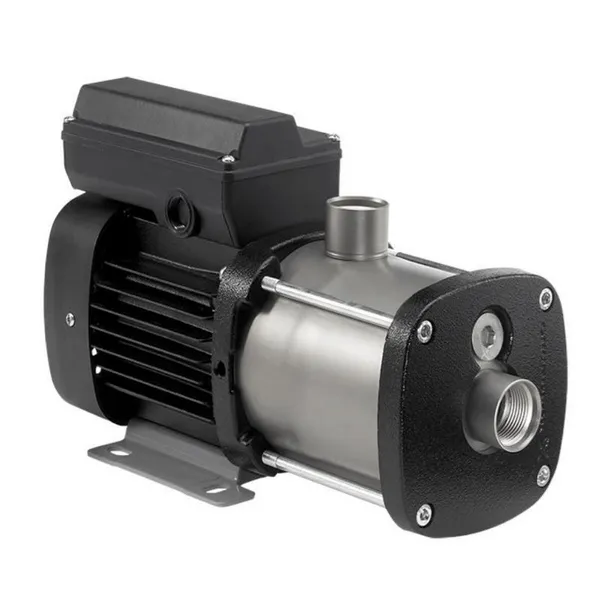 Read More
 -
What are the hazards of pump idling or dry running?
May 9, 2026In various fields such as industrial production, municipal water supply, agricultural irrigation, and building water supply and dr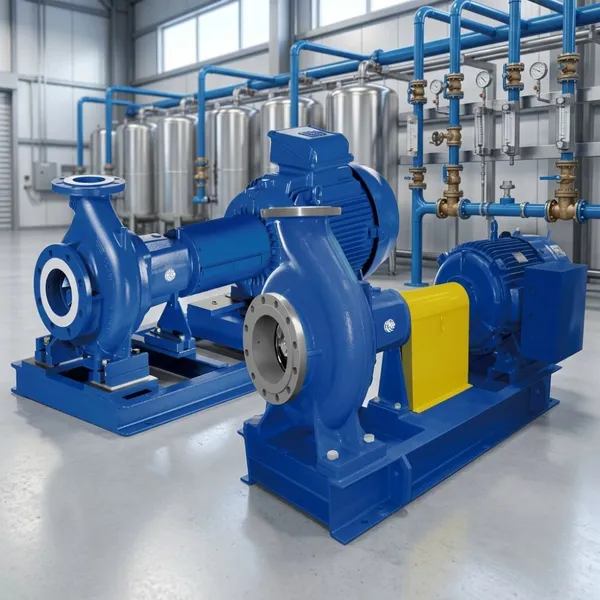 Read More
 -
What are the methods for energy conservation and consumption reduction in water pumps?
April 13, 2026Through rational selection of pump energy-saving To properly utilize water pumps, selecting the right model is crucial. Prope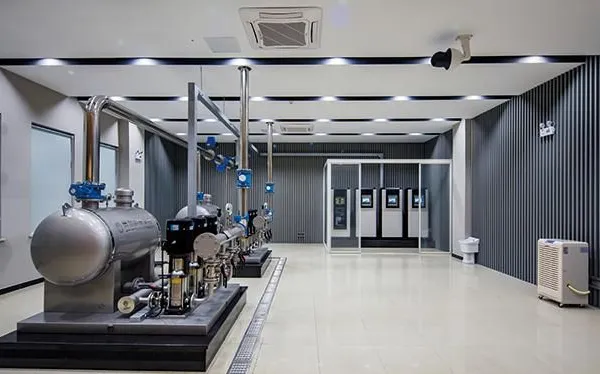 Read More
 -
What are the key terms of centrifugal pump?
March 17, 2026What are the key terms of centrifugal pump?1. Working point: the point on the performance curve that represents the actual running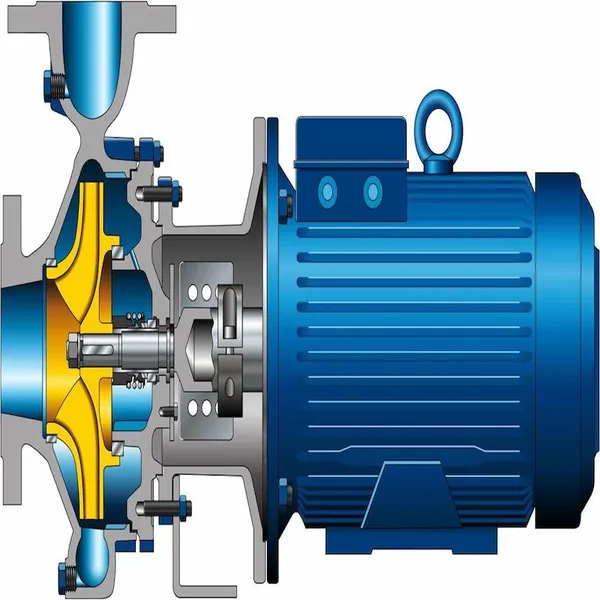 Read More

Contact Us
Recommended Products
-
 Submersible High Volume Dewatering Pump GSZNegotiableMOQ: 1 Piece
 -
Channel-type Submersible Pump Series CZ: Grinding and Shredding StructureNegotiableMOQ: 1 Piece
-
BZ Series Sewage & Wastewater Drainage PumpsNegotiableMOQ: 1 Piece
-
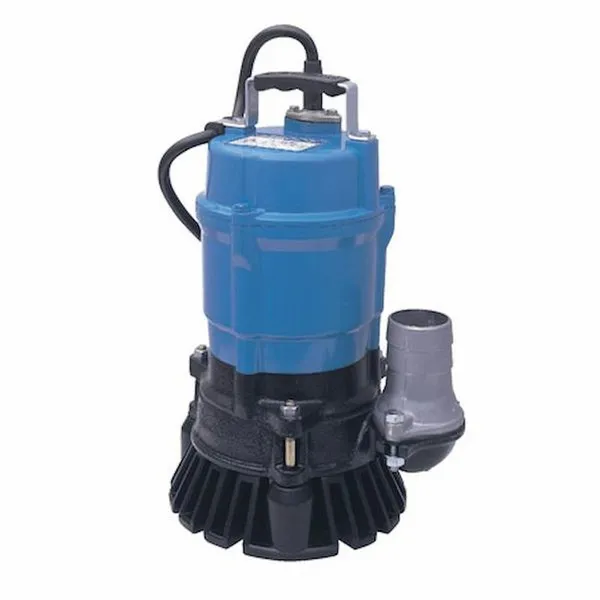
HS Multi-field Use PumpNegotiableMOQ: 1 Piece
-
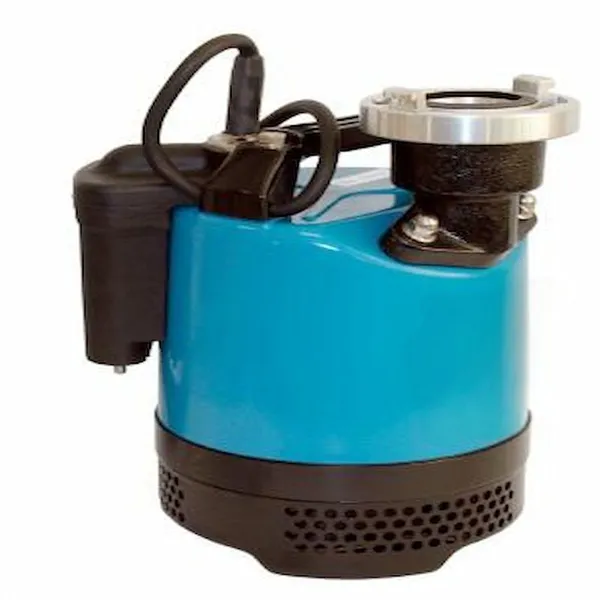
LB Portable Dewatering PumpsNegotiableMOQ: 1 Piece
-
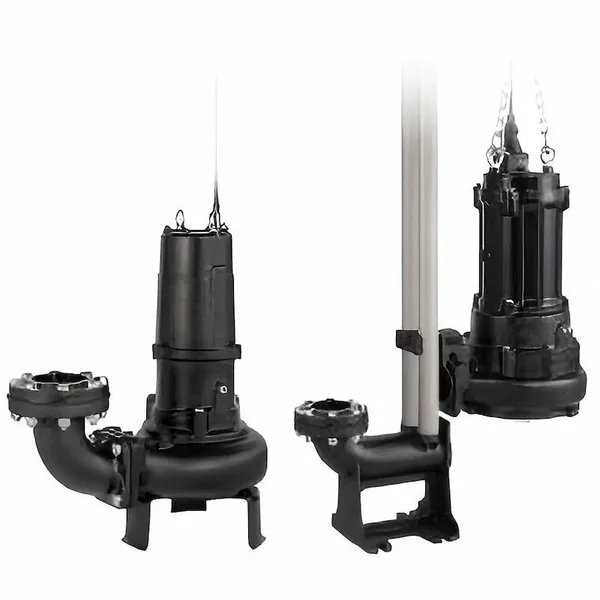
B Series Channel Type Submersible PumpsNegotiableMOQ: 1 Piece
-
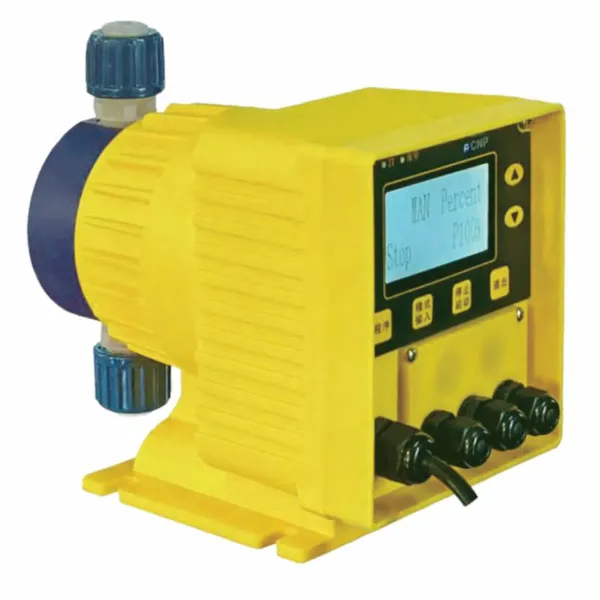
CKF/CKG/CKC/CKL Series Electromagnetic Driven Diaphragm Metering PumpNegotiableMOQ: 50 Pieces
-
GD Series Mechanical Diaphragm Metering PumpNegotiableMOQ: 50 Pieces
-
GX Series Mechanical Diaphragm Metering PumpNegotiableMOQ: 50 Pieces
-
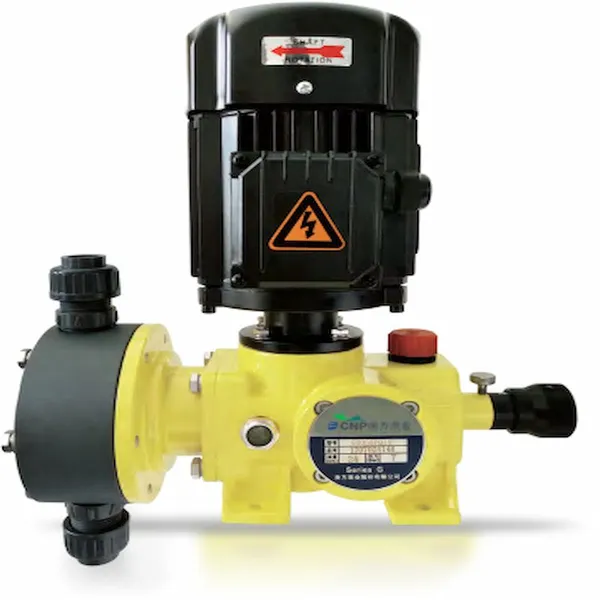
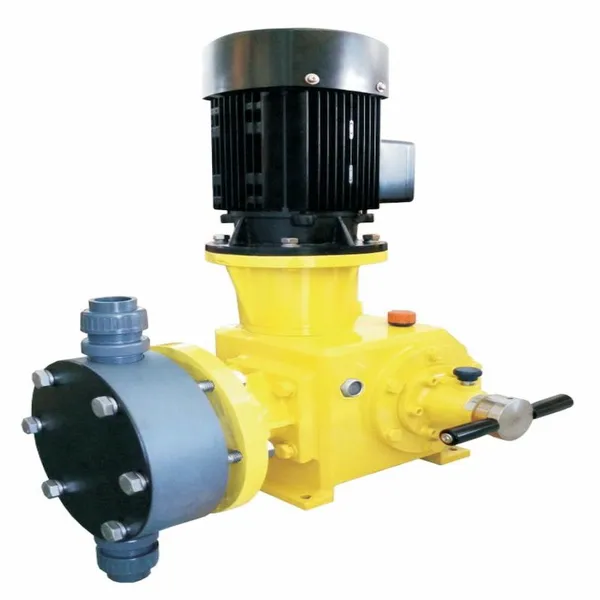
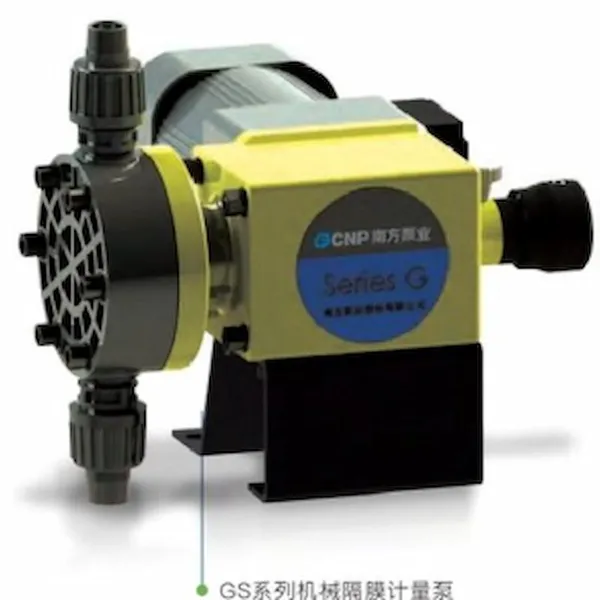
GS Series Mechanical Diaphragm Metering PumpNegotiableMOQ: 50 Pieces
-
WLT,WLTS,WLTSF Horizontal Cooling Tower PumpNegotiableMOQ: 50 Pieces
-
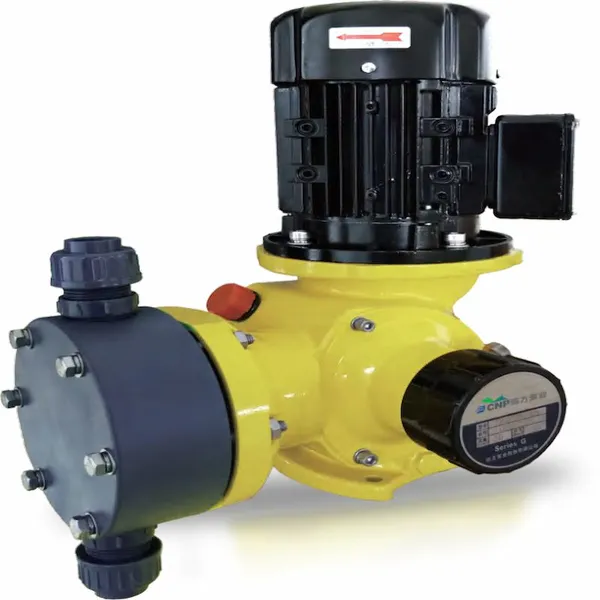
GM and GB Series Mechanical Diaphragm Metering PumpNegotiableMOQ: 50 Pieces
-
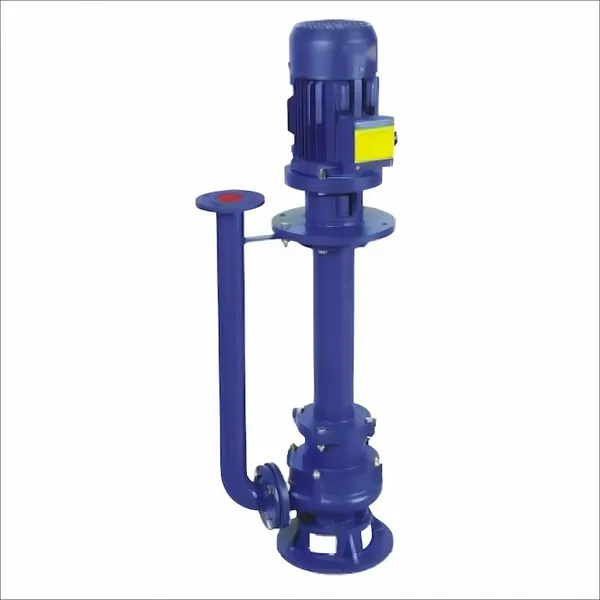
YW Type Non-Clogging Submersible Sewage PumpNegotiableMOQ: 1 Piece
-
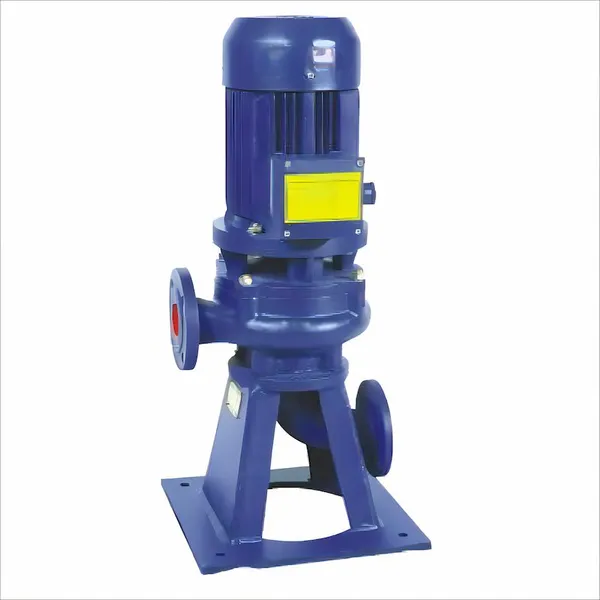
LW Type Non-clogging Vertical Sewage PumpNegotiableMOQ: 1 Piece
-
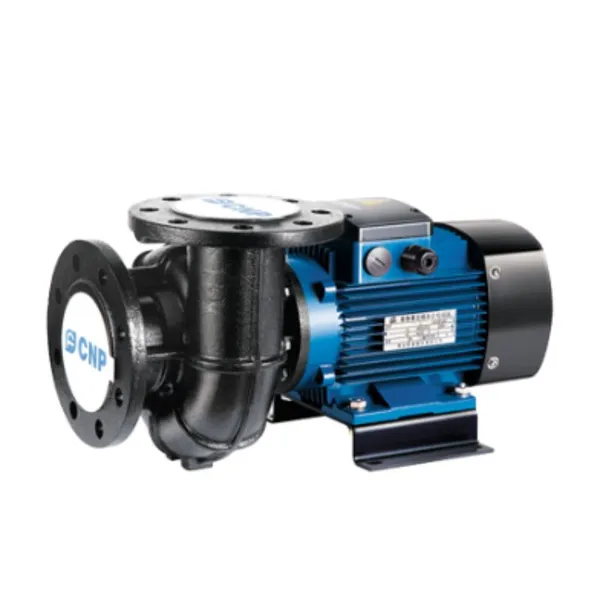
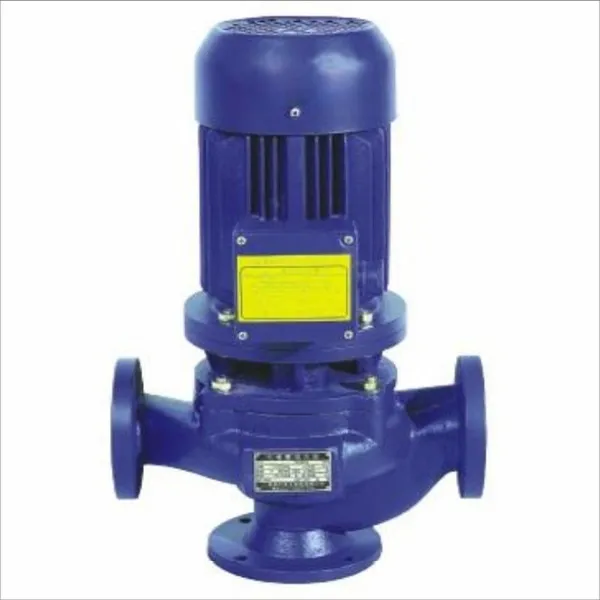
GW Type Non-Clogging Pipeline Sewage PumpNegotiableMOQ: 1 Piece
-
QW Type Non-Clogging Submersible Sewage PumpNegotiableMOQ: 1 Piece
-
ISH and ISHP Structured Compact Horizontal Centrifugal PumpNegotiableMOQ: 1 Piece
-
Vertical Pipeline Chemical Centrifugal Pump Of ISV Series Made In ChinaNegotiableMOQ: 1 Piece
-
AJm Jet Pump Household Water Lifting Booster PumpNegotiableMOQ: 50 Pieces
-
PQ Miniature Vortex Centrifugal PumpNegotiableMOQ: 50 Pieces