 Business License

Single-Stage vs. Multi-Stage Centrifugal Pumps: Which Do You Need?
The primary difference lies in the number of impellers and the generated pressure. A single-stage centrifugal pump uses one impeller and is ideal for high-flow, low-to-medium pressure applications like HVAC or general water transfer. A multi-stage centrifugal pump uses multiple impellers in series to generate extremely high pressure (head), making it the best choice for boiler feed, reverse osmosis, and high-rise water supply.
Choosing the right pump for your facility depends entirely on your specific requirements for flow rate and discharge pressure (head). Understanding the mechanical differences between these two designs is crucial for maximizing efficiency and minimizing maintenance costs.
Understanding Single-Stage Pumps
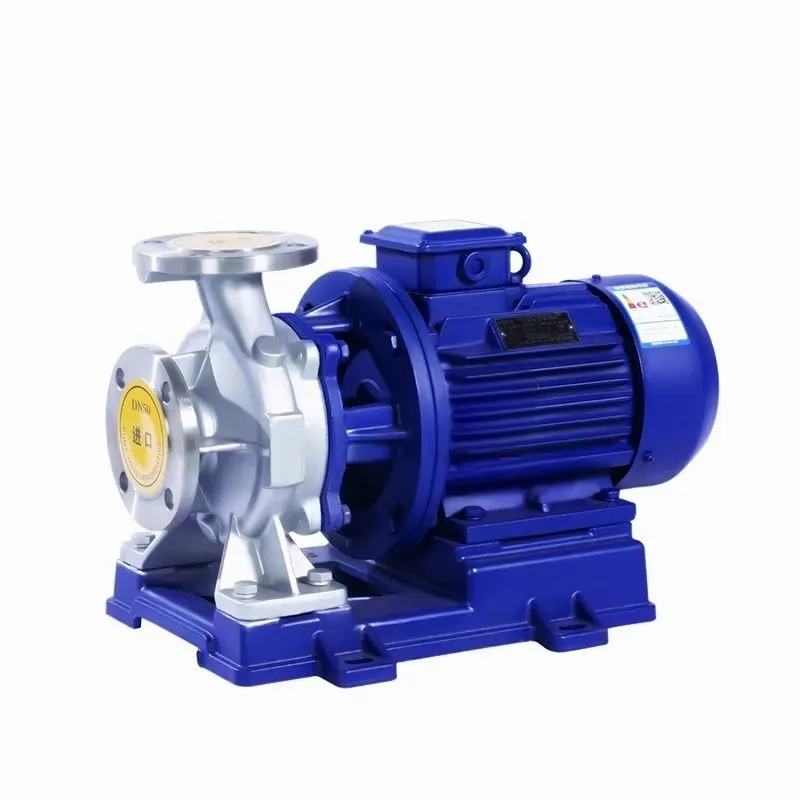
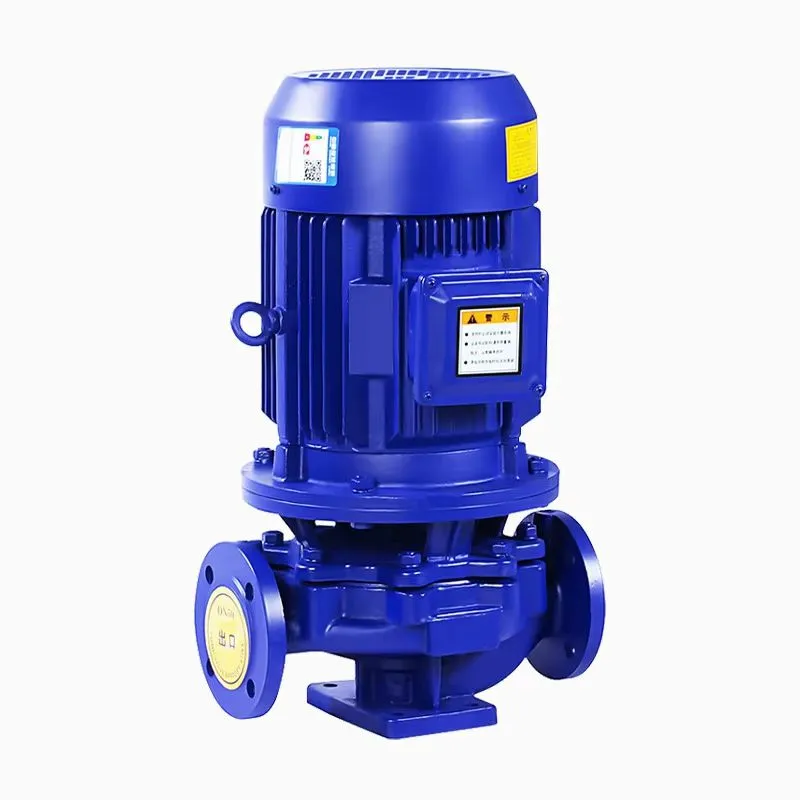
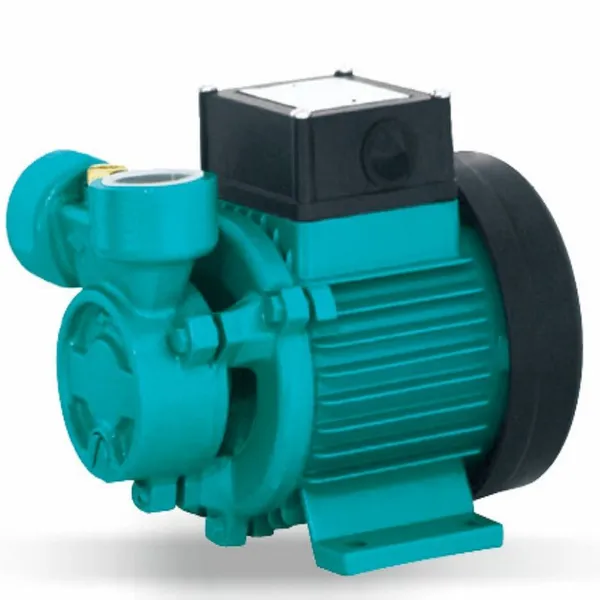
As the name suggests, this pump contains only one impeller rotating within the casing. Fluid enters the suction eye, is accelerated by the centrifugal force of the impeller, and is discharged through the volute.
● Best For: Applications requiring massive volumes of liquid to be moved quickly over relatively short distances or low elevations.
● Advantages: Simple design, easier maintenance, lower initial purchasing cost, and excellent reliability for standard industrial water supply and cooling tower operations.
● Limitations: They are heavily limited by their maximum head. If you try to achieve high pressure by simply increasing the speed of a single impeller, you risk severe cavitation and mechanical failure.
Understanding Multi-Stage Pumps
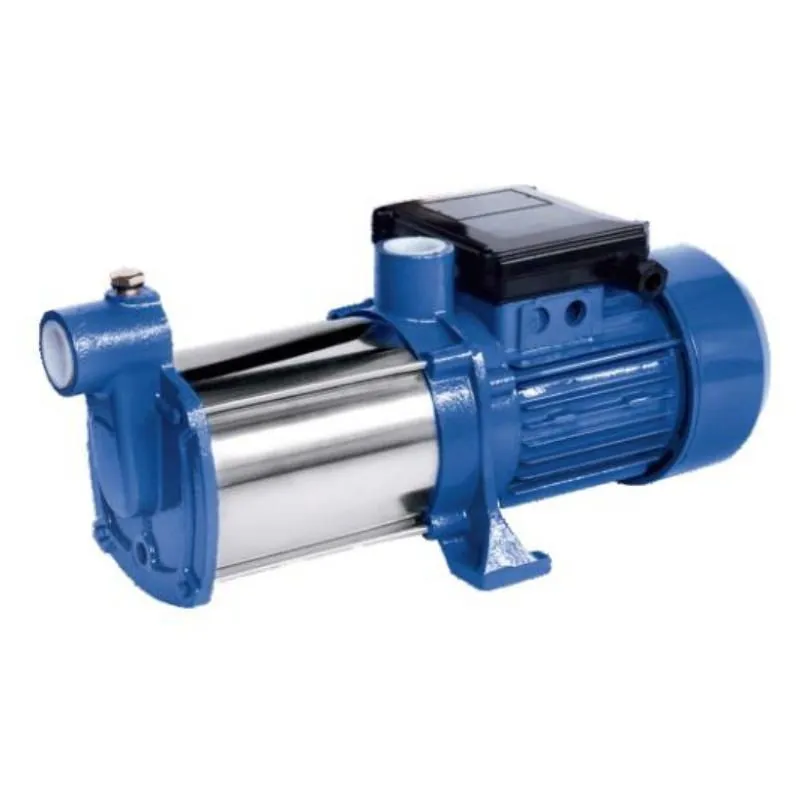
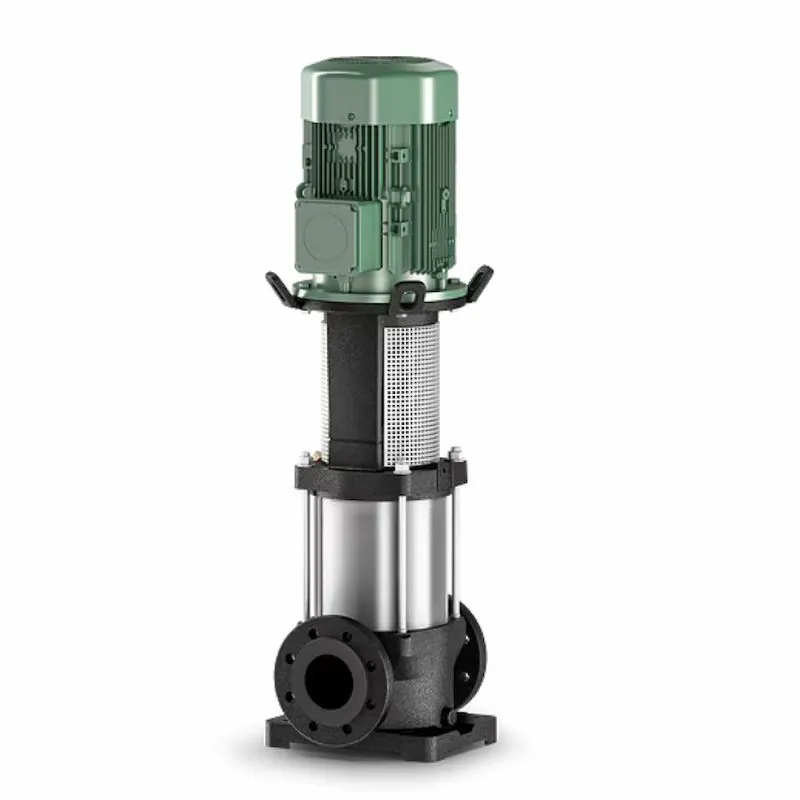
In a multi-stage configuration, fluid travels through two or more impellers connected in series on the same shaft. The fluid is discharged from the first impeller and fed directly into the eye of the next. Each stage increases the fluid's pressure while the flow rate remains constant.
● Best For: Applications requiring high discharge pressure. Think boiler feed systems, high-pressure cleaning, desalination plants, and deep-well water extraction.
● Advantages: Exceptional high-head capabilities. They are also highly energy-efficient because they use multiple smaller diameter impellers operating at tighter clearances rather than one massive impeller.
● Limitations: The internal design is far more complex, meaning higher initial costs and requiring more skilled technicians for maintenance and seal replacement.
The Verdict: How to Choose
If your operation demands moving a large volume of water horizontally across a factory floor, a single-stage pump is your most cost-effective solution. However, if you need to push water up a 50-story building or feed a high-pressure boiler, the multi-stage pump is your only viable engineering option. Always consult your pump curve and system resistance before making a purchasing decision.
Recently Posted
-
Top 5 causes of centrifugal pump vibration and How to fix them
June 1, 2026Excessive pump vibration is an early warning sign of catastrophic failure. The top 5 causes are shaft misalignment, impeller imbal Read More
 -
Vibration measurement of centrifugal pumps and analysis of typical failures
June 1, 2026Understand vibration measurement of centrifugal pumps, common faults, and their causes.PrefacePumping systems are critical equipme Read More
 -
Top 5 Causes of Centrifugal Pump Vibration and How to Fix Them
May 19, 2026Excessive pump vibration is an early warning sign of catastrophic failure. The top 5 causes are shaft misalignment, impeller imbal Read More
 -
What are the hazards of pump idling or dry running?
May 9, 2026In various fields such as industrial production, municipal water supply, agricultural irrigation, and building water supply and dr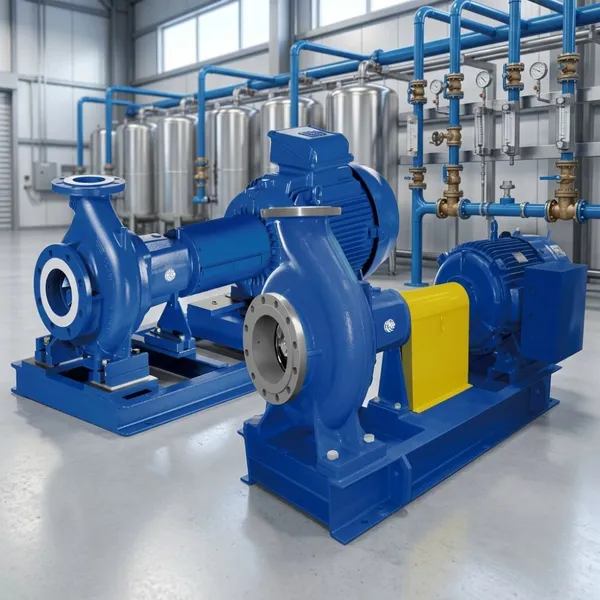 Read More

Contact Us
Recommended Products
-
 Submersible High Volume Dewatering Pump GSZNegotiableMOQ: 1 Piece
 -
Channel-type Submersible Pump Series CZ: Grinding and Shredding StructureNegotiableMOQ: 1 Piece
-
BZ Series Sewage & Wastewater Drainage PumpsNegotiableMOQ: 1 Piece
-
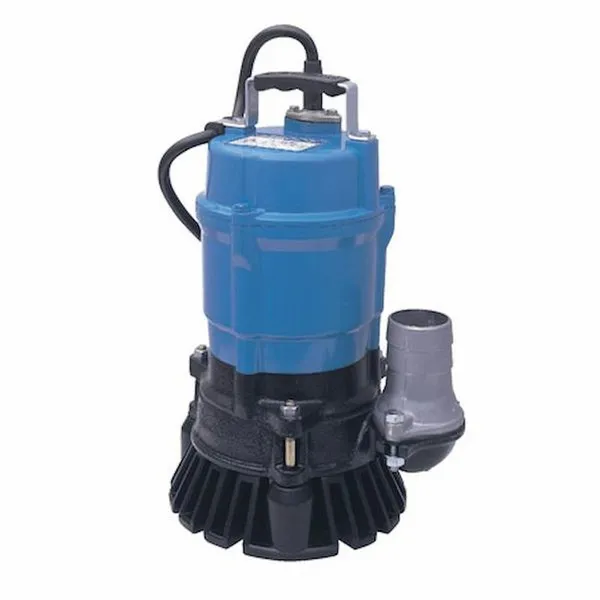
HS Multi-field Use PumpNegotiableMOQ: 1 Piece
-
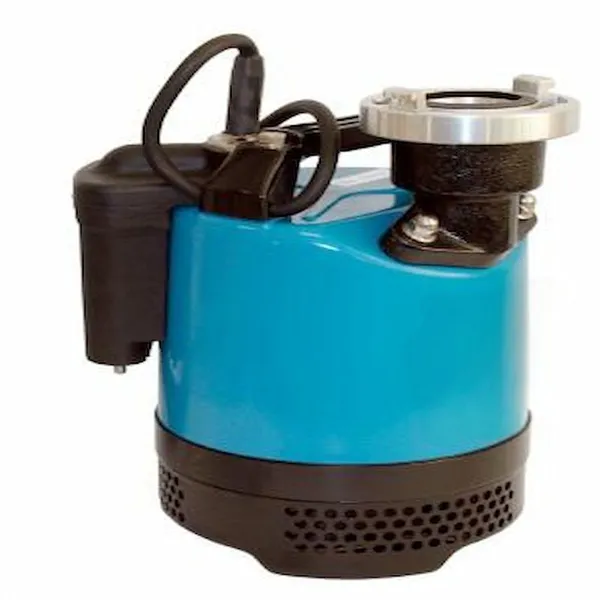
LB Portable Dewatering PumpsNegotiableMOQ: 1 Piece
-
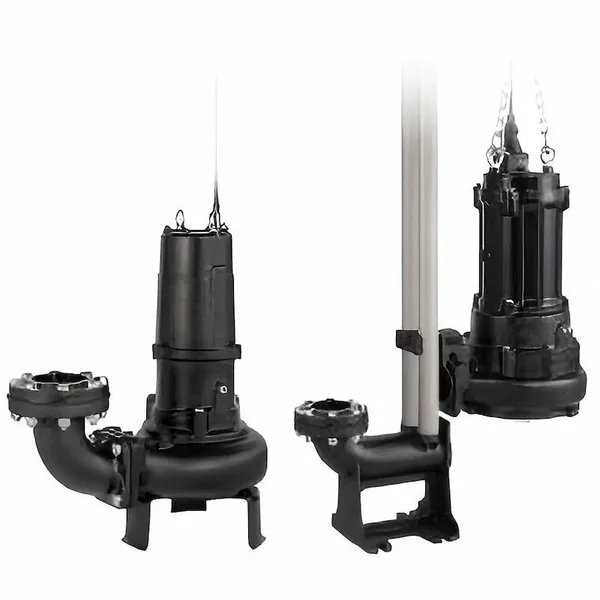
B Series Channel Type Submersible PumpsNegotiableMOQ: 1 Piece
-
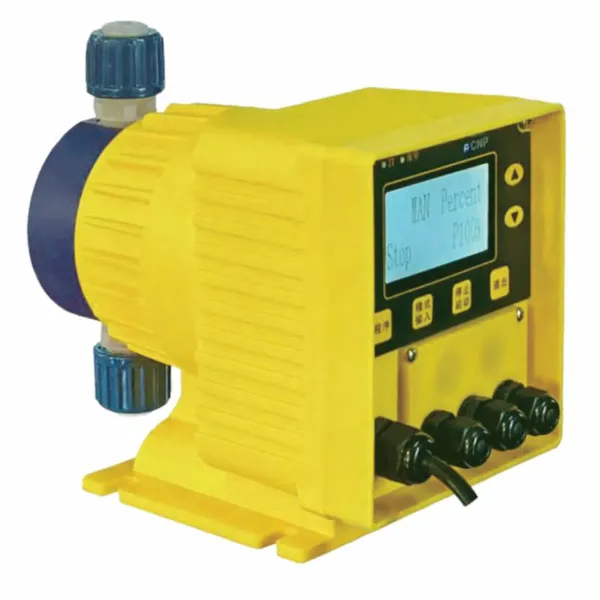
CKF/CKG/CKC/CKL Series Electromagnetic Driven Diaphragm Metering PumpNegotiableMOQ: 50 Pieces
-
GD Series Mechanical Diaphragm Metering PumpNegotiableMOQ: 50 Pieces
-
GX Series Mechanical Diaphragm Metering PumpNegotiableMOQ: 50 Pieces
-
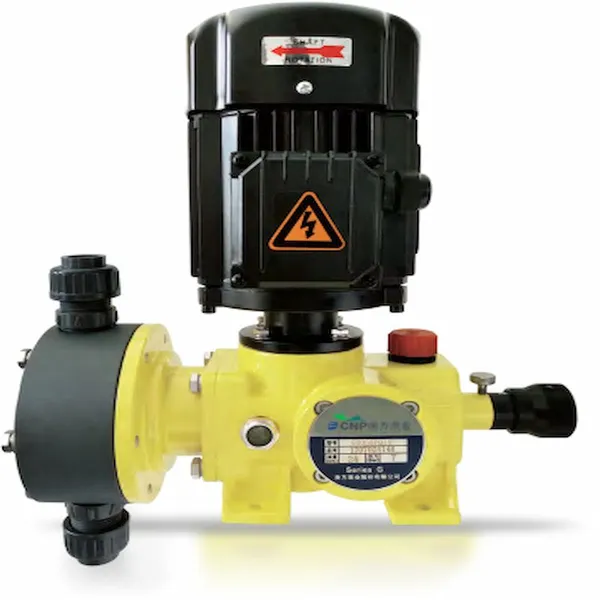
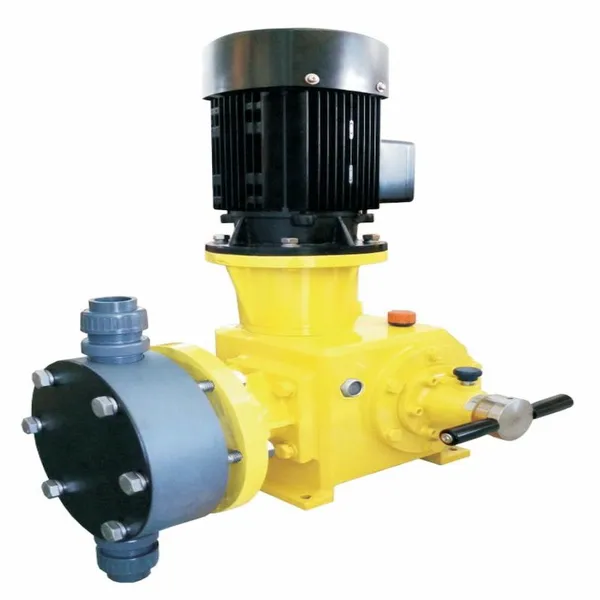
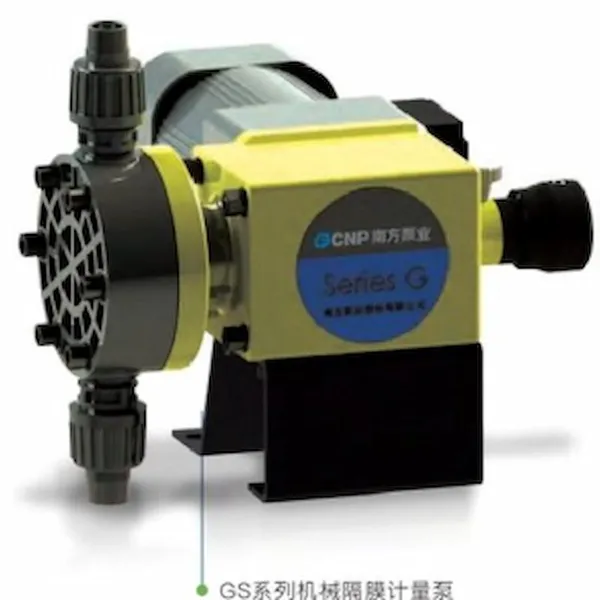
GS Series Mechanical Diaphragm Metering PumpNegotiableMOQ: 50 Pieces
-
WLT,WLTS,WLTSF Horizontal Cooling Tower PumpNegotiableMOQ: 50 Pieces
-
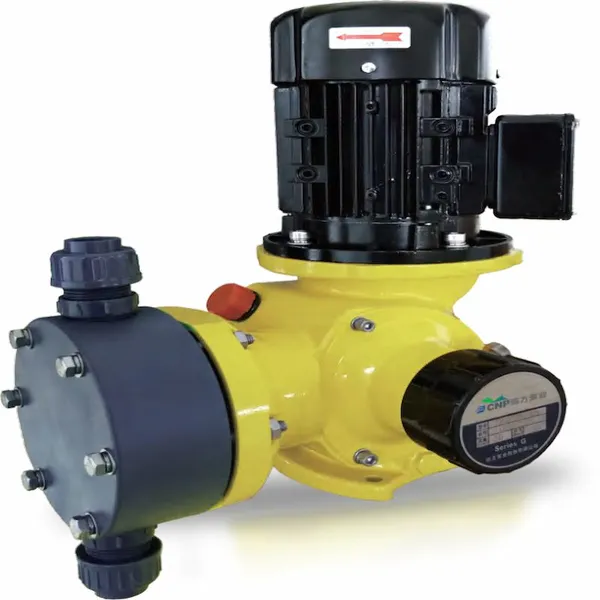
GM and GB Series Mechanical Diaphragm Metering PumpNegotiableMOQ: 50 Pieces
-
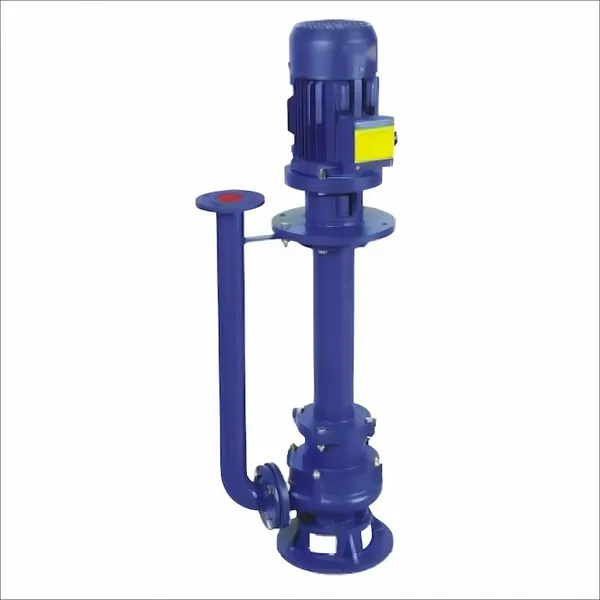
YW Type Non-Clogging Submersible Sewage PumpNegotiableMOQ: 1 Piece
-
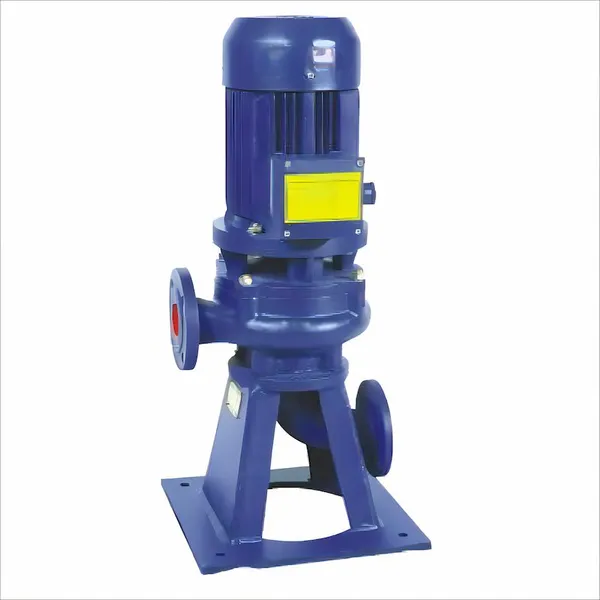
LW Type Non-clogging Vertical Sewage PumpNegotiableMOQ: 1 Piece
-
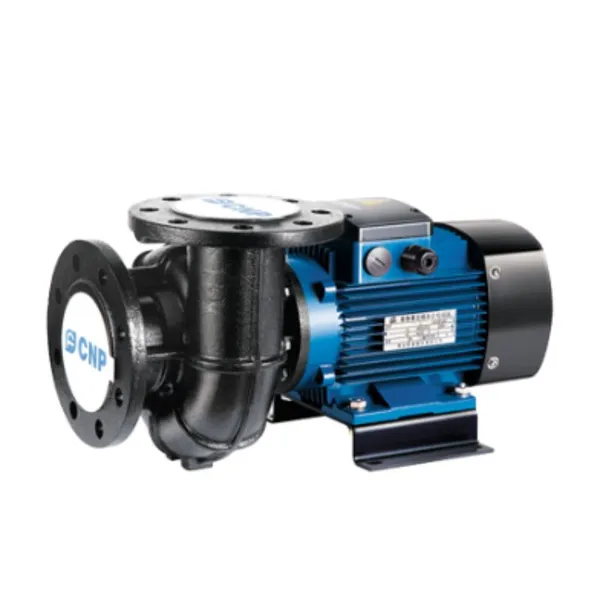
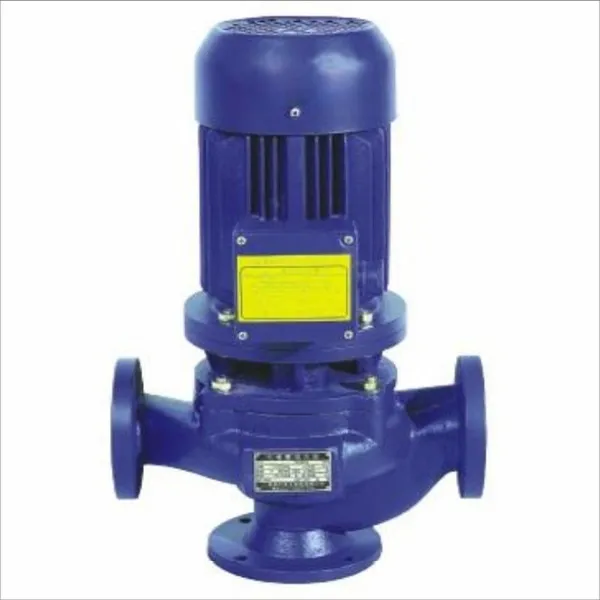
GW Type Non-Clogging Pipeline Sewage PumpNegotiableMOQ: 1 Piece
-
QW Type Non-Clogging Submersible Sewage PumpNegotiableMOQ: 1 Piece
-
ISH and ISHP Structured Compact Horizontal Centrifugal PumpNegotiableMOQ: 1 Piece
-
Vertical Pipeline Chemical Centrifugal Pump Of ISV Series Made In ChinaNegotiableMOQ: 1 Piece
-
AJm Jet Pump Household Water Lifting Booster PumpNegotiableMOQ: 50 Pieces
-
PQ Miniature Vortex Centrifugal PumpNegotiableMOQ: 50 Pieces